
The psychological rollercoaster of gambling understanding its effects on the mind
The Thrill of Anticipation
The world of gambling is often characterized by a profound sense of anticipation. This feeling emerges from the uncertainty surrounding the outcome of a bet, which can trigger the brain’s reward system. When players engage in gambling, their expectations can fluctuate dramatically, leading to euphoric highs when winning and devastating lows when losing. This emotional journey keeps individuals on the edge of their seats, contributing to the addictive nature of gambling. Those interested in betting with cryptocurrencies can explore our guide to bitcoin bookmakers, which can help enhance the experience.
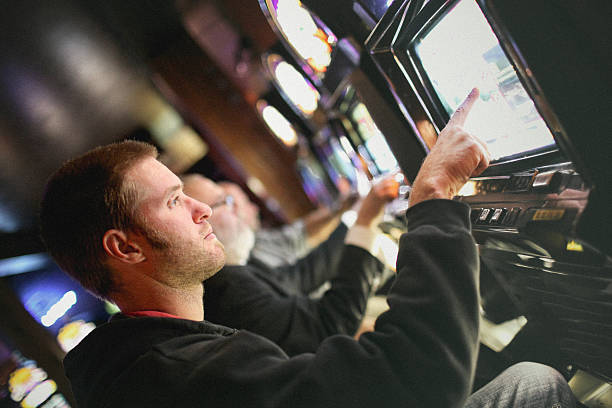
The psychological thrill comes from the unpredictability inherent in games of chance. Every spin of the roulette wheel or flip of a card represents a potential win, stimulating dopamine release in the brain. This biochemical response not only enhances the excitement but also reinforces the behavior, encouraging individuals to seek out those feelings again and again. However, this cycle can lead to compulsive gambling, where the emotional highs and lows become a dangerous habit.
The Impact of Loss
Experiencing loss in gambling can have significant psychological repercussions. The immediate aftermath often includes feelings of frustration, sadness, and anxiety, which can affect an individual’s overall mental health. The stark contrast between winning and losing can magnify these emotions, making losses feel disproportionately impactful. This emotional volatility can lead to a cycle of chasing losses, where players gamble more in an attempt to recover their previous losses, further deepening their emotional distress.
Moreover, the cognitive dissonance resulting from losing can provoke denial or rationalization. Many gamblers may convince themselves that their luck will change, leading them to gamble more frequently despite the evidence to the contrary. This pattern can result in a distorted perception of control, as players believe they can influence outcomes through their actions, when in reality, the odds are often stacked against them.
The Role of Environment
The environment in which gambling occurs plays a crucial role in shaping the psychological experience. Casinos are designed to be alluring, with vibrant colors, sounds, and scents all engineered to stimulate excitement. These sensory elements can heighten emotions, further intensifying the psychological rollercoaster of gambling. The ambiance creates an escape, making players more susceptible to the highs and lows that accompany their gambling experiences.
In addition to the physical environment, social interactions also significantly affect the gambling experience. Many individuals gamble in groups, and the collective excitement can amplify emotional responses. Conversely, loneliness or isolation while gambling can exacerbate feelings of despair following losses. Understanding the environmental factors that influence gambling behavior is essential for recognizing the potential psychological risks involved.
The Psychological Consequences of Gambling Addiction
Gambling addiction is a serious psychological condition that can lead to profound emotional turmoil. Individuals suffering from this addiction often face significant stress, relationship issues, and financial problems. The compulsive need to gamble overrides rational thought, leading to destructive behaviors that can devastate personal and professional lives. This relentless pursuit of the next win can create a void filled with anxiety and regret.
Recognizing the signs of gambling addiction is crucial for intervention. Symptoms may include preoccupation with gambling, withdrawal symptoms when not gambling, and an increasing need to gamble larger amounts to achieve the same thrill. Addressing these issues often requires professional help, which can provide individuals with coping strategies to manage their gambling behaviors and the associated psychological effects.

Empowering Change through Awareness
Understanding the psychological dynamics of gambling can empower individuals to make informed decisions about their gaming habits. By recognizing the emotional triggers and psychological effects associated with gambling, individuals can better navigate the complexities of their experiences. Awareness can also foster healthier gambling practices, allowing players to set limits and engage in gambling as a form of entertainment rather than an escape or a means to solve problems.
Resources and support systems are available for those who find themselves struggling with gambling-related issues. Educational materials, counseling services, and support groups can provide invaluable assistance to those seeking to regain control over their gambling habits. By fostering a supportive environment and promoting awareness, we can mitigate the risks associated with gambling and encourage healthier relationships with this popular activity.
